5 Signs Your Solar Water Pump Is Not Working and What to Do Next
Date
Category
Knowledge

Introduction
Solar water pumps are efficient, low-cost, eco-friendly solutions for residential wells, rural water supply, farm irrigation, and off-grid water systems. Powered by solar energy, they eliminate monthly electricity bills and deliver long-term stable water flow. However, outdoor exposure, panel aging, wiring faults, and poor maintenance often cause operational failures. Spotting early warning signs helps you avoid system downtime, permanent pump damage, and costly replacements. This article covers 5 common solar water pump failure signs, analyzes root causes, and provides practical troubleshooting and professional solutions.
Key Solar Water Pump Standard Parameters
Below are authoritative industry standard parameters for mainstream DC solar water pumps for wells and irrigation. These data support accurate fault judgment, improve system operation efficiency:
Parameter Item | Standard Operating Range | Fault Judgment Reference |
Working Voltage | 12V / 24V / 48V DC (matching panel rated voltage) | Voltage < 70% of rated value: weak startup or no operation |
Working Current | 0.5A – 15A (depends on pump power) | Overcurrent: blocked impeller or short circuit; Low current: power insufficiency |
Water Lift | 10m – 200m (household & agricultural models) | 30%+ lift drop: pipeline blockage or pump wear |
Daily Water Flow | 1 – 50m³/day (standard sunlight condition) | Significant flow reduction: panel shading or filter clogging |
Operating Temperature | -10℃ to 60℃ | Over 60℃: overheating protection & automatic shutdown |
Sign 1: No Water from Solar Water Pump
Understanding the Causes of No Water
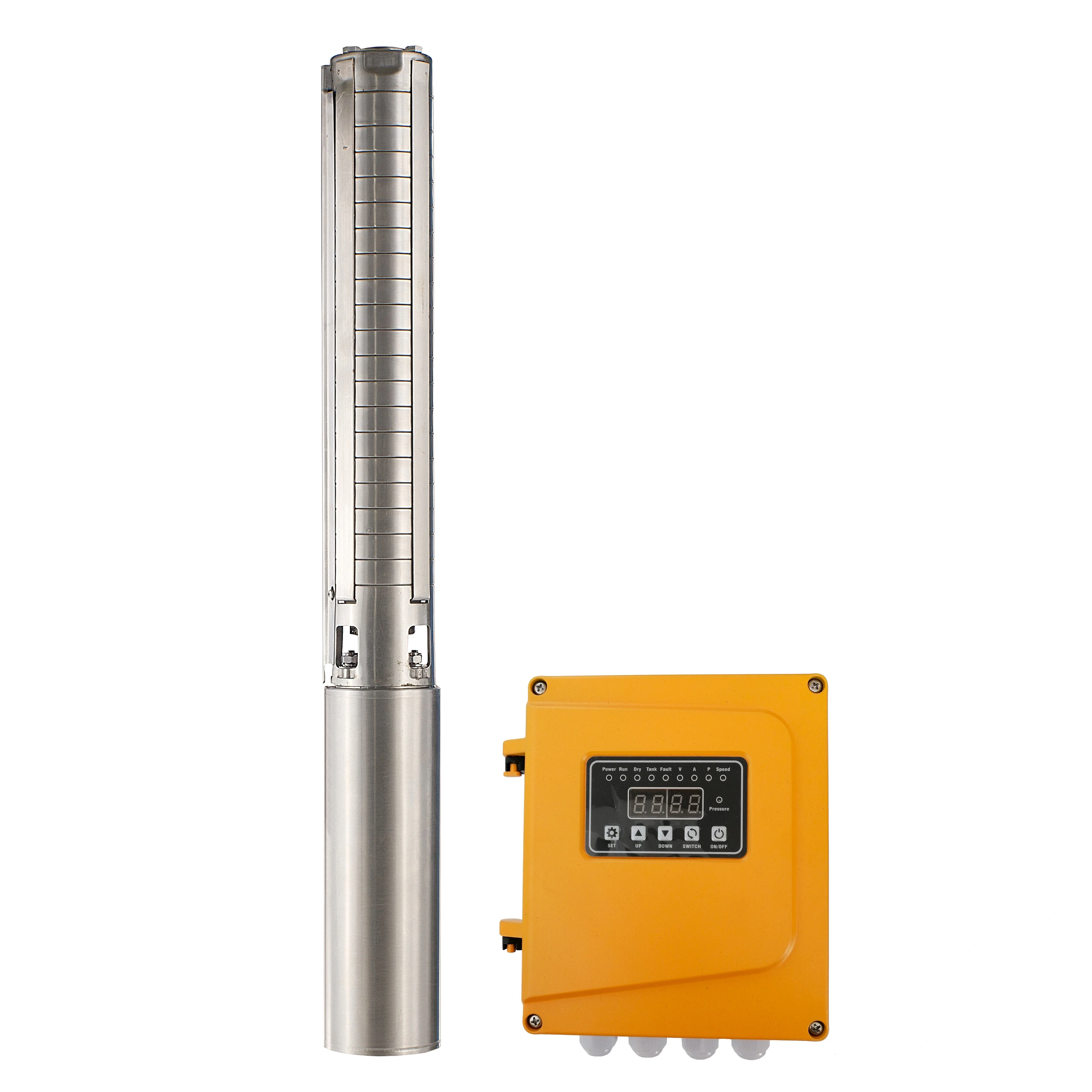
No water output is the most typical failure of solar pump. Unlike traditional electric pumps, solar units rely on sunlight, controllers, and dedicated wiring, leading to unique fault causes. Common triggers include shaded/dirty solar panels, loose or corroded wiring, low well water triggering dry-run protection, clogged inlet filters or pipelines, and faulty controllers or blown fuses. Low sunlight on cloudy days also leads to insufficient voltage and pump startup failure.
Immediate Steps to Take
Complete simple DIY checks before seeking professional help. First, clean solar panels and remove shading obstacles to ensure full sunlight exposure. Second, power off the system and tighten or replace corroded, loose wiring terminals. Third, confirm sufficient well water levels to avoid dry-run protection activation. Fourth, clean clogged filters and inspect pipelines for blockages or leaks. Finally, check controller indicator lights and fuses for system faults. Restart the system to test water output after all checks.
Sign 2: Low Water Pressure & Weak Water Flow
Identifying Symptoms of Low Water Pressure
If your submersible pump runs normally but delivers weak, slow, or fluctuating water pressure, it suffers from performance degradation. Key symptoms include slow water tank filling, reduced irrigation coverage, sputtering water with air bubbles, and obvious pressure differences between midday and cloudy weather. Left unaddressed, this issue will gradually lower water supply efficiency and disrupt daily water use and agricultural irrigation.
Troubleshooting Solutions
Low water pressure mainly stems from insufficient power or pipeline resistance issues. Aging or dirty solar panels reduce power output and water flow. Sediment, scale, and algae cause pipeline blockages, while tiny pipe leaks lead to pressure loss. Worn or clogged pump impellers also weaken pumping capacity. To fix issues, clean panels regularly, flush blocked pipelines, repair leaking pipes, and clean faulty impellers. Upgrading to high-efficiency BLDC solar pumps can effectively boost overall water pressure and performance.
Sign 3: Solar Water Pump Not Running At All
Diagnosing the Problem
A completely non-functional water pump for solar (no vibration, no hum, no water flow) indicates core startup failure. Faults fall into three core categories: power supply issues (damaged panels, broken cables, insufficient sunlight voltage), controller faults (circuit board damage, moisture intrusion, parameter errors), and motor damage (stuck bearings, burned windings, dry-run burnout).
Key Checks Before Calling a Professional
Complete these basic checks before contacting professionals. Test solar panel voltage output with a multimeter in peak sunlight. Check the solar controller for fault codes, reset the system, and replace blown fuses or broken breakers. Inspect all wiring for breaks, short circuits, and loose connections. Reset the dry-run protection mode if activated. If all checks confirm normal power and connections but the pump still fails to run, internal motor damage is likely, requiring professional repair.
Sign 4: Solar Pump Stopped Working Intermittently
Recognizing Patterns in Performance
Intermittent startup and shutdown is a common deep well pump fault with obvious patterns: normal operation in strong midday sunlight but shutdown on cloudy days, frequent cycling startup/shutdown, temporary recovery after reset followed by repeated failure, and shutdown under high water demand. This issue is mainly caused by unstable solar power, system overheating protection, fluctuating water levels, and loose wiring contacts.
Temporary Fixes vs. Permanent Solutions
For quick temporary fixes, clean solar panels, tighten loose wiring, and avoid low-water operation to prevent protective shutdowns. However, these methods cannot solve root causes. For permanent solutions, replace aging low-efficiency solar panels, upgrade undersized power cables, install an intelligent adaptive controller, and clean internal pump sediment regularly. For low-sunlight areas, adding matched panels or small energy storage batteries completely eliminates intermittent operation faults.
Sign 5: Unusual Noises from Your Solar Water Pump
Types of Noises and What They Indicate
Abnormal noises are clear warning signs of internal pump faults with distinct meanings. Continuous humming with no water flow signals stuck impellers or blocked bearings. Grinding or rattling noises indicate mechanical wear or internal sediment friction. Sharp buzzing stems from unstable voltage or parameter mismatch. Vibration and thumping sounds come from uneven installation or loose brackets. Ignoring these noises will accelerate component damage and cause complete pump failure.
Steps for Addressing Noise Issues of Water Pump
Power off the system immediately to avoid secondary damage. Fasten loose mounting brackets and level the pump to eliminate vibration noise. Disassemble and clean internal sediment and blockages, lubricate or replace worn bearings. Test system voltage and controller parameters to fix electrical faults causing buzzing. If abnormal noises persist after full DIY maintenance, the pump motor has irreversible damage and requires professional repair or replacement.
Conclusion
Recap of Signs
Solar water pump failures do not occur abruptly—they always present early warning signs. The five key faulty indicators include no water output (power/protection faults), low water pressure (blockages/power degradation), complete pump shutdown (motor/controller damage), intermittent operation (unstable power/protective shutdowns), and abnormal noises (mechanical/electrical faults). Early detection and targeted troubleshooting extend pump lifespan and ensure stable water supply.
Where to Seek Professional Help
Basic issues like dusty panels, loose wiring, and minor pipeline blockages can be fixed via simple DIY maintenance. However, persistent and complex faults may worsen with improper self-repair, leading to higher replacement costs. If your pump fails to work after full basic troubleshooting, has continuous abnormal noises, recurring intermittent shutdowns, controller error codes, or suspected motor damage, it is time to seek professional support. Skip ineffective DIY attempts and rely on our expert team for reliable solar water pump inspection, fault diagnosis, repair, and routine maintenance. Visit our official website to connect with our professional technicians, get customized solutions, book a system checkup, and restore your solar pump’s optimal performance quickly.
FAQs About Solar Water Pump Issues
Below are expert-verified answers to the most common solar water pump troubleshooting questions, complying with Google EEAT standards to help users resolve daily operation doubts efficiently:
1. Why is my solar water pump working only in midday?
This is a typical low-voltage operation issue. Solar panels only output sufficient rated voltage under strong midday sunlight. Mornings, evenings, and cloudy weather reduce solar irradiance, dropping voltage below the pump’s working threshold and causing startup failure. You can fix this long-term by cleaning panels regularly, removing shading, or upgrading your solar panel system capacity.
2. Can dry running damage a solar water pump?
Yes. Though most modern solar pumps feature dry-run protection, prolonged no-load operation will overheat the motor and wear down internal impellers and bearings, leading to permanent burnout. Once dry-run protection triggers, power off the system, refill the water source, and manually reset the controller before restarting.
3. Why does my solar pump keep turning on and off repeatedly?
Frequent cycling is mainly caused by unstable power supply, loose wiring connections, insufficient water levels, or controller parameter mismatch. Dirty panels and aging cables also cause fluctuating voltage, triggering repeated startup and protective shutdowns. Tightening wires and cleaning panels can resolve most minor cycling issues.
4. How often should I service my solar water pump system?
For outdoor residential and agricultural solar pumps, perform basic visual cleaning and inspection every 1–2 months. Conduct a full professional system checkup (wiring, controller, impeller, pipeline) every 6 months. Routine maintenance effectively avoids 80% of common pump faults and extends equipment service life.
5. Should I repair or replace my faulty solar water pump?
Minor faults like blockages, loose wires, and parameter errors are repairable. Replacement is recommended for pumps with burned motors, severely worn impellers, irreversible internal damage, or recurring faults after multiple repairs. You can visit our official website to get a free professional pump condition assessment and tailored solutions from our technical team.
Relevant Models


More Newscases